



Skip to content

Web design & development

Webbies system

Web design and development that makes your business easier to choose.

Webbies plans, designs and develops responsive WordPress websites for businesses that need clearer messaging, stronger user journeys, search-ready structure and a site their team can manage.

Strategy before styling Responsive WordPress build Search-ready foundations Clear actions and measurement

One connected website system

Web design and development services that move people forward.

The work can include a new business website, a strategic redesign, landing pages or focused improvements. Each capability performs a distinct job; together they help people understand the offer, trust the business and take the next step.

01

Website strategy

Define the business goal, audience, offer, project scope and action the website must support.

02

Messaging & content

Clarify the value, proof and page copy customers need before they can choose.

03

Information architecture

Map services, landing pages, proof, answers and internal links into a clear decision path.

04

UX & interface design

Design responsive page systems that feel clear, credible and specific to the business.

05

WordPress development

Build reusable WordPress components and editing controls that remain reliable and manageable.

06

Conversion paths

Reduce hesitation with clearer journeys, proof, calls to action and enquiry forms.

07

Performance & accessibility

Plan mobile behaviour, speed, accessibility and technical quality from the start.

08

SEO foundations

Preserve useful content, create crawlable structure and connect measurement for future improvement.

One connected website system

The website is planned, designed and developed as one connected system.

Strategy, content, information architecture, interface design, WordPress development and measurement support one another. The process moves from the business constraint to a responsive, search-ready website the team can manage.

01

Clarify the business goal, audience and scope.

Identify what customers need to understand, where the current website creates friction and which action matters most. This establishes the project priorities, content requirements and practical boundaries before design begins.

02

Map the content and decision path.

Organize services, landing pages, proof, answers and calls to action so each page performs a distinct job without unnecessary overlap. Supporting content and internal links are arranged around what people need to learn next.

03

Design and develop the responsive website.

Create the visual direction, page layouts, reusable WordPress components and functionality required by the approved journey. The build is tested across screen sizes while the content and functionality stay connected to the agreed structure.

04

Launch, measure and improve.

Test the experience, preserve search equity, confirm analytics and leave a manageable foundation for future updates. Redirects, forms, measurement and editing controls are checked so the website is ready for everyday use after launch.

Projects in practice

The useful part of a project is the reasoning behind the screen.

Three different businesses required three different page systems. The design follows the offer, audience, information and operational needs.

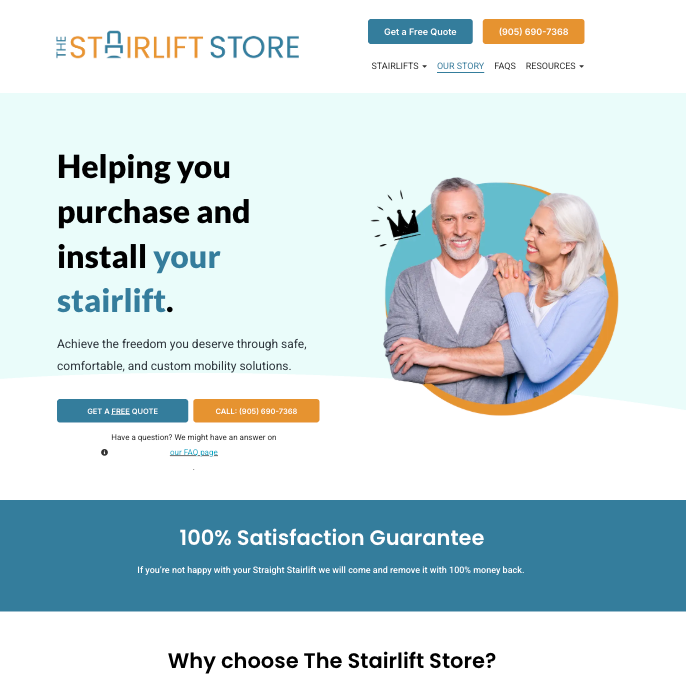
The Stairlift Store homepage design

01 · The Stairlift Store

Helping customers reach the right stairlift information.

The website connects product types, buying guidance, trust information and clearer enquiry paths for customers making a high-consideration decision.

See The Stairlift Store project
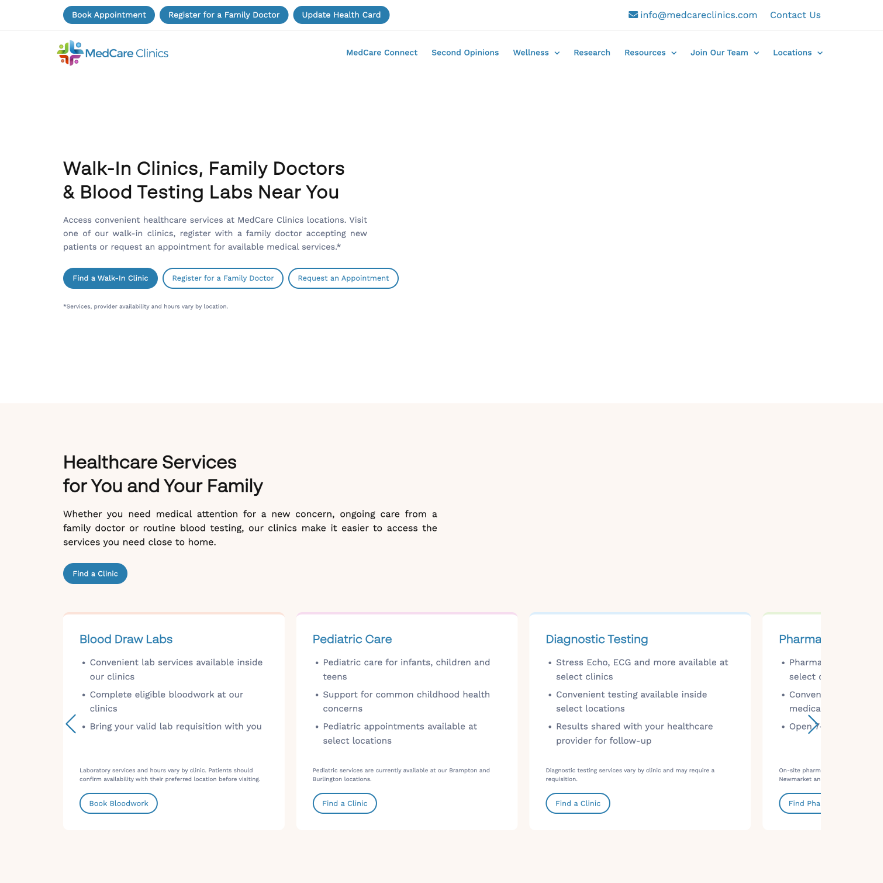
MedCare Clinics homepage design

02 · MedCare Clinics

Organizing healthcare access across services and locations.

The experience helps patients find clinics, doctors, blood testing and specialized healthcare information without making the site feel like one long directory.

See MedCare Clinics work
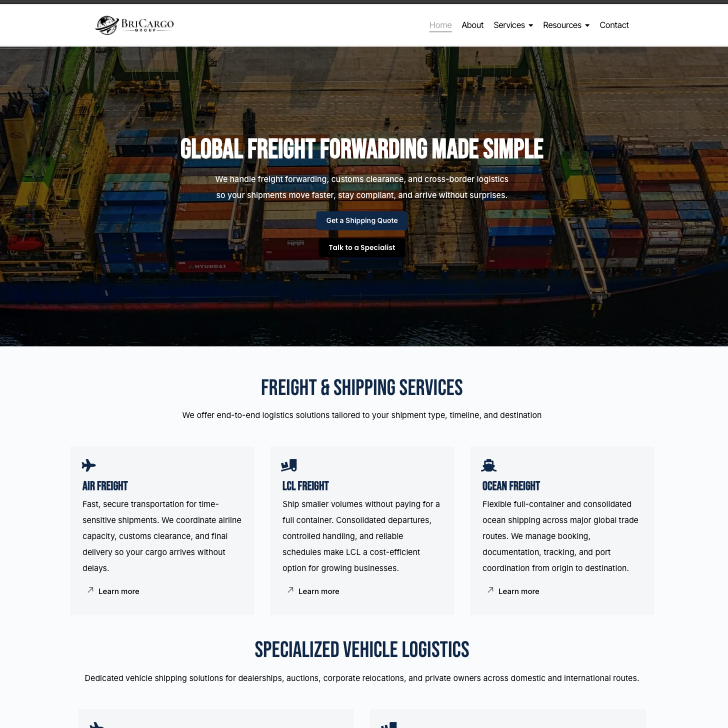
BriCargo Group homepage design

03 · BriCargo Group

Creating a clearer route from freight services to enquiry.

The website presents global freight forwarding, specialized logistics, proof and shipment enquiries in a structure that works for both commercial buyers and search.

See BriCargo Group work

Built to keep working

A business website should keep working after launch.

A useful build works when customers use a phone, when the business adds a service and when the team needs to update information. Responsive behaviour, search-ready structure, reusable WordPress components, analytics and maintainability are planned before launch—not patched in afterward.

Responsive by designSearch-ready structureManageable WordPress systemClear actions and measurement

The person behind
the website decisions.

Paras leads the website strategy, messaging, user experience, development and search considerations that shape Webbies projects.

He looks for problems that can survive a visual redesign: unclear offers, service pages without useful proof and mobile journeys that ask visitors to work too hard.

The appropriate next step may be a focused improvement, strategic redesign or complete rebuild depending on what the current experience is preventing the business from doing.

Explore Web Design Hamilton

Pencil portrait of Paras, the founder of Webbies Watercolour portrait of Paras, the founder of Webbies Coloured-pencil portrait of Paras, the founder of Webbies Vintage portrait of Paras, the founder of Webbies Studio portrait of Paras, the founder of Webbies Mosaic portrait of Paras, the founder of Webbies Ceramic mosaic portrait of Paras, the founder of Webbies Blueprint portrait of Paras, the founder of Webbies
01 / 08
Pencil sketch Ideas before execution.

Before the project begins

Clear answers make the scope easier to understand.

The right recommendation depends on the problem, available content, required functionality and what the existing website is already doing well.

Do you design new websites and redesign existing sites?

Yes. The recommendation may be a new website, a strategic redesign or a focused improvement. Useful content, working features and existing search equity should be retained where they continue to serve the business.

Do you build custom WordPress websites?

Yes. Webbies builds responsive WordPress websites using reusable components and practical editing controls so normal updates do not require rebuilding every page.

Is SEO included in web design and development?

Search-ready foundations are considered during the build, including page relationships, crawlable content, headings, internal links, metadata, redirects and migration decisions. Ongoing SEO and local search services can be scoped separately when the business needs continued content, local visibility or technical work. No website build can guarantee rankings.

Can you improve one page or part of an existing website?

Yes. A focused service page, landing page, mobile correction, conversion improvement or technical fix may be more appropriate than replacing the entire website.

What kinds of businesses does Webbies work with?

Webbies primarily works with small and established businesses, local service companies and organizations that need clearer websites, stronger search visibility or better lead handling. Current project experience includes healthcare, logistics, accessibility and home services, restaurants and ecommerce.

How much do web design and development services cost?

Cost depends on the number and complexity of pages, content readiness, design depth, integrations, migration requirements and custom functionality. After the initial review, Webbies recommends an appropriate scope and provides a proposal before implementation begins.

How long does a website project take?

The schedule depends on scope, content, review speed, integrations and whether an existing website must be migrated carefully. The timeline and review stages are agreed before the build begins, and larger projects may be divided into phases.

How does a website project begin?

The first conversation identifies what is changing, what is underperforming and what customers are struggling to understand. That determines whether the right next step is a focused improvement, strategic redesign or complete build.