
Valuable demand reaches the wrong page.
A homepage, old article or loosely related page may appear where a focused service or location page should. The search needs one useful destination that matches the customer’s goal.
SEO & local search
Webbies helps businesses become easier to find, understand and choose. We connect technical SEO, useful service and location pages, local search signals, credible proof, internal links and conversion measurement into one practical search system.







Documented search outcomes
Historical results vary by website, market, competition, implementation and investment. These examples show relevant experience, with full context in the linked case studies.
Where search growth gets stuck
The appropriate first move depends on what is preventing the business from being discovered or chosen. Some websites need technical corrections. Others need stronger commercial pages, clearer local relevance or a better journey from search to enquiry.
A homepage, old article or loosely related page may appear where a focused service or location page should. The search needs one useful destination that matches the customer’s goal.
The website, Google Business Profile, services, categories, reviews and business information may describe the company inconsistently or lack enough relevant local context.
Several pages may target nearly the same service, location or query. That divides useful information and makes the strongest destination harder to identify.
Improved visibility cannot compensate for unclear offers, weak proof, poor mobile experiences or enquiry paths that make the next step difficult.
One connected search system
Research identifies the opportunities worth pursuing. The website supplies useful destinations. Technical work makes those destinations accessible. Local and authority signals reinforce their context. Measurement reveals what should improve next.
Research & foundations
Review current visibility, competing pages, search demand, technical conditions and customer intent to identify the opportunities worth pursuing first.
A prioritized search direction based on what is actually blocking visibility, relevance or useful traffic.
Pages & content
Map commercial needs to service and landing pages, then improve the content, on-page structure, proof and internal relationships that help each destination perform a distinct job.
A cleaner page network where important searches reach content built around the customer’s actual decision.
Local & regional search
Connect the website, Google Business Profile, services, locations, reviews and regional pages so local relevance is consistent instead of fragmented.
Stronger local destinations and a more coherent relationship between the business, its services and the markets it serves.
Authority & measurement
Connect services, supporting content and case studies while measuring search visibility, landing-page performance and meaningful enquiries instead of treating rankings as the only outcome.
A search system that can be inspected, improved and connected to what the business actually wants customers to do.
A prioritized SEO process
The process starts with the current constraint rather than an assumed monthly checklist. Technical, content, local and conversion work are prioritized according to the website, market and evidence available.
Review the website, indexed pages, priority queries, local profiles, competitors, internal links and measurement setup. The first output is a prioritized direction—not a list of every possible SEO task.
Map commercial searches to service pages, local searches to useful regional destinations, proof searches to case studies and detailed questions to supporting content.
Implementation may include technical corrections, page restructuring, content, internal links, local information, business-profile work, redirects, proof and conversion improvements.
Use Search Console, analytics and first-party lead evidence to evaluate which pages and queries gain useful visibility and which journeys still create friction.
Under the visible result
A page does not become useful merely because a keyword appears on it. The destination must be accessible, distinct, relevant to the business, supported by evidence and connected with a measurable customer action.
Important pages should be reachable and understandable without conflicting canonicals, broken routes or avoidable duplication.
Service, location, proof and informational destinations should each perform a distinct job rather than compete for the same intent.
The website, business profile, services, categories and locations should consistently describe the same organization.
Case studies, relevant experience, internal relationships and credible references establish why the page deserves attention.
Search performance should be connected with landing-page behaviour and meaningful enquiries so future work is based on evidence.
Google explains local visibility through relevance, distance and prominence. Read Google’s local-ranking guidance.
Documented SEO outcomes
These businesses entered their engagements with different websites, markets and levels of authority. Historical results demonstrate relevant experience but do not guarantee that another website will produce the same result.
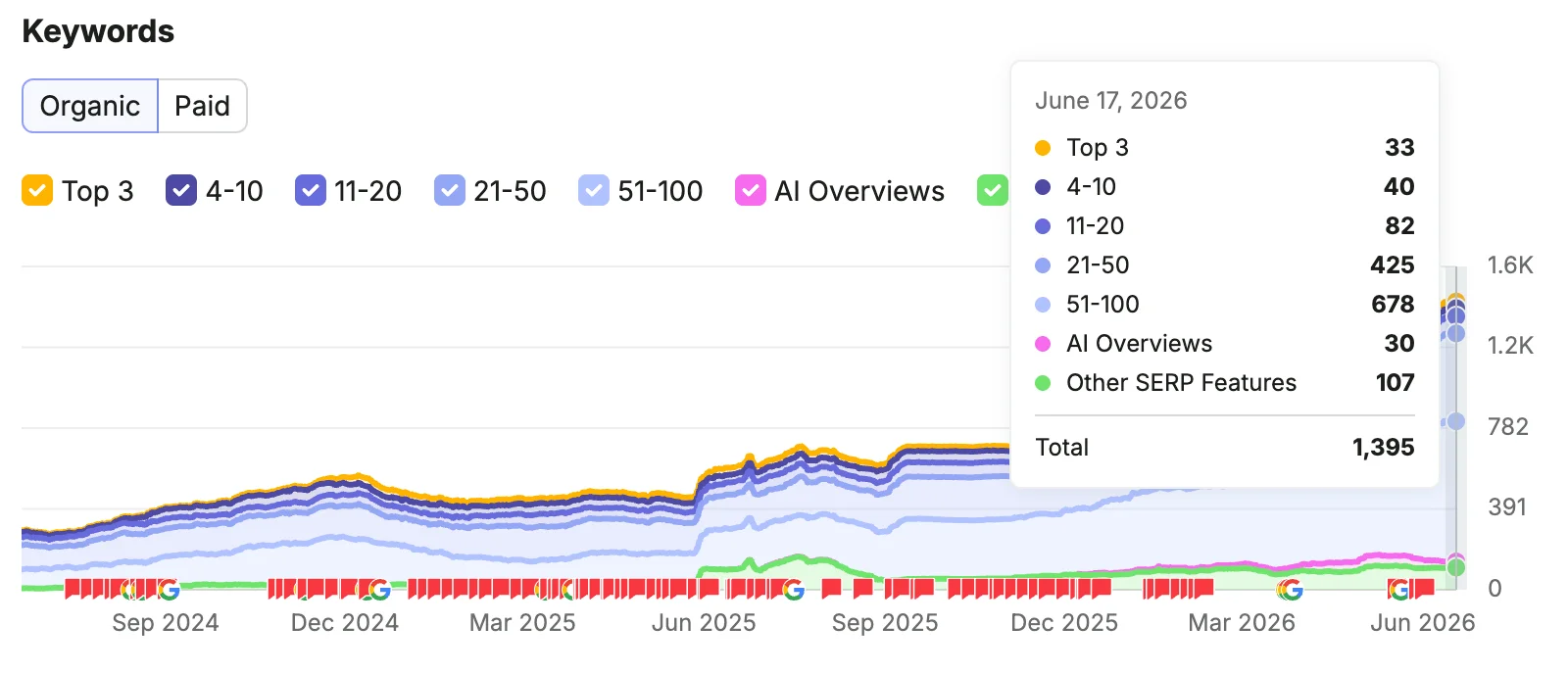
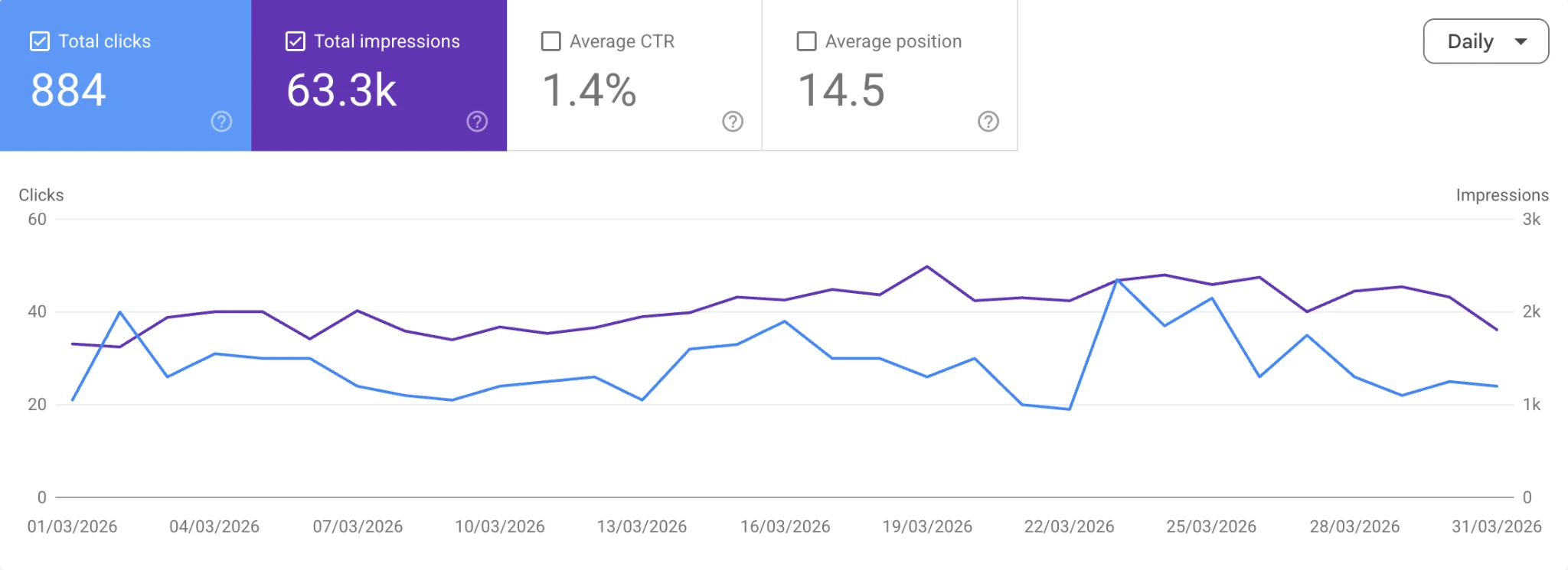
01 · The Stairlift Store
+900%Monthly website clicks grew by more than 900%. Ranking keywords also increased from 287 to 1,395 as priority service pages, internal links, pricing information and conversion paths were strengthened.
Read The Stairlift Store SEO case study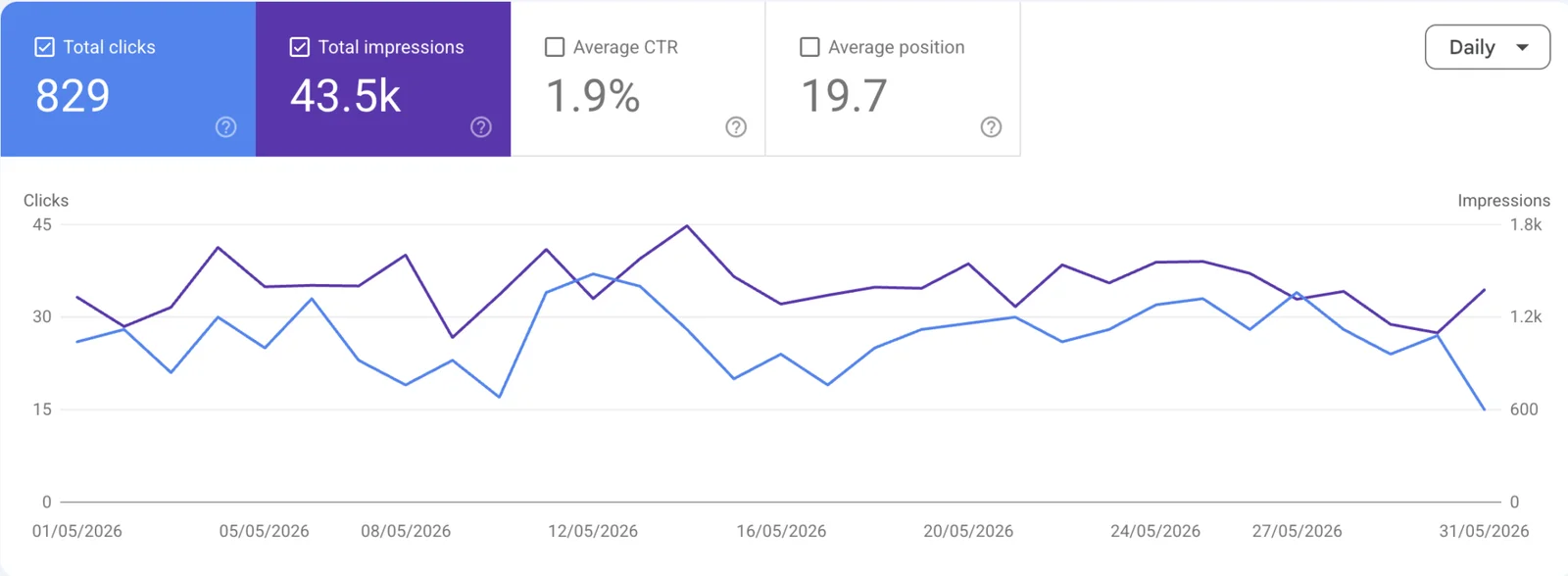
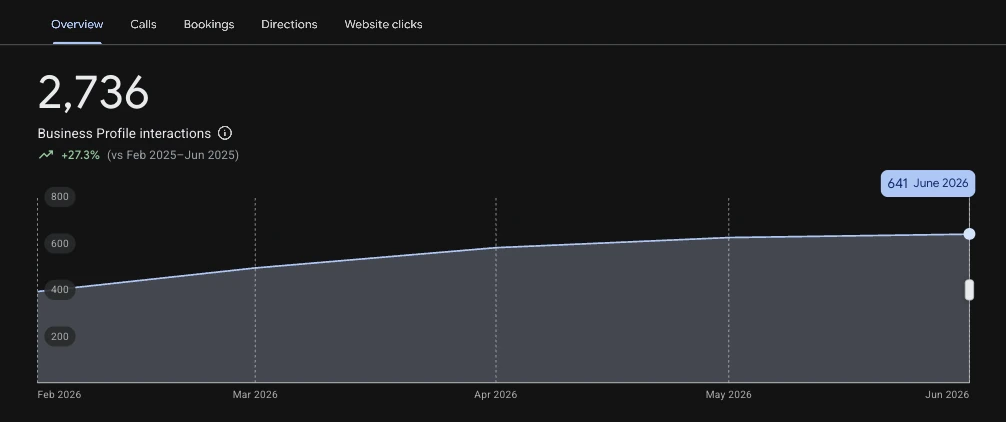
02 · MD Treatment Lounge
202 → 829Monthly clicks increased from 202 in August 2024 to 829 in May 2026. The documented Google Business Profile period also recorded 2,736 interactions from February through June 2026, up 27.3% year over year. Treatment pages, regional content, technical improvements and local-profile work contributed to a broader search footprint.
Read the MD Treatment Lounge local SEO case study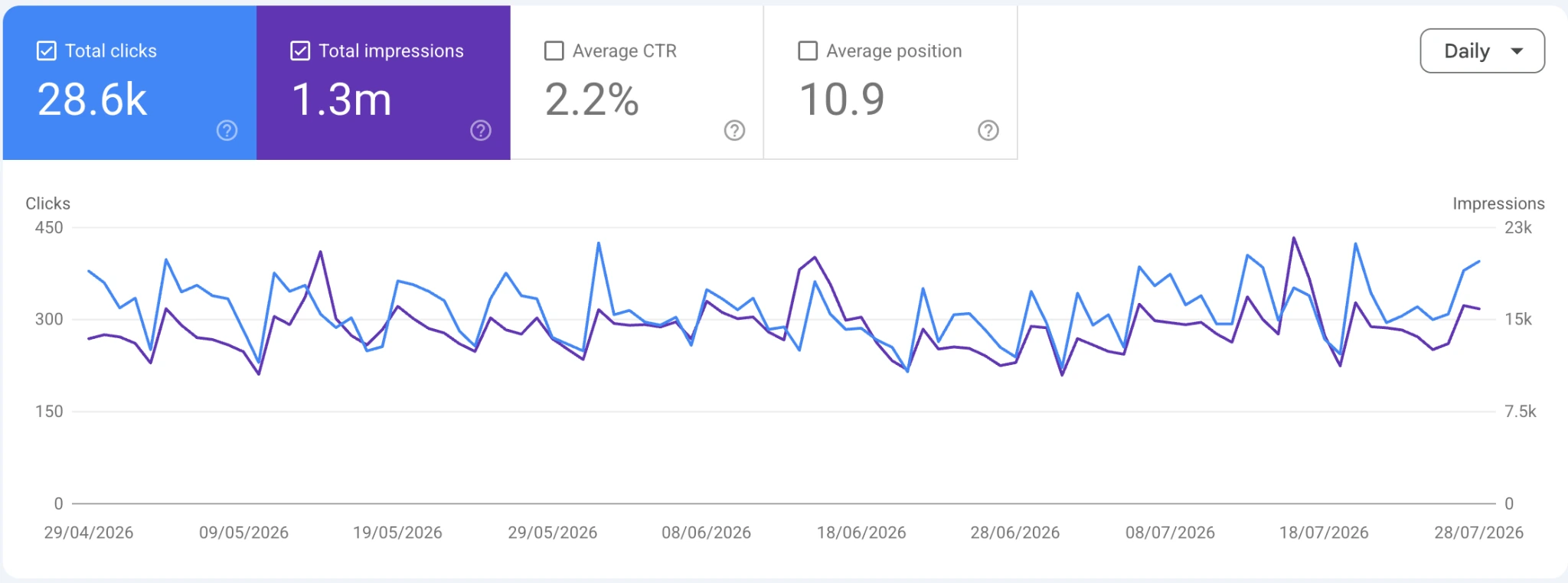
03 · MedCare Clinics
29K clicksThe documented three-month baseline shows approximately 29,000 clicks and 1.3 million impressions. The location-service architecture connects real clinics, verified services and appropriate patient actions across several Ontario markets.
Read the MedCare Clinics SEO case studyWhat an SEO engagement may include
A focused local business, an established national website and a multi-location organization do not require the same plan. Webbies reviews the current situation before recommending the work, sequence and responsibilities.
For more pricing context, read the Canadian local SEO cost guide.
A stable website with useful existing pages requires different work from a site with indexing problems, duplication or unclear architecture.
Established competitors may have stronger content, links, reviews, brand recognition and search history.
A single-location company with a few priority services is different from an organization managing multiple locations and service combinations.
Scope changes depending on whether Webbies handles research, writing, design and implementation or collaborates with an internal team.
Direct strategic involvement
Paras leads the research, page architecture, content priorities, technical decisions and measurement considerations that shape Webbies SEO engagements.
He looks beyond a list of keywords to understand what the business is trying to sell, which searches deserve a dedicated destination, where pages compete and whether the website provides enough clarity and proof for customers to take the next step.
The recommendation is not automatically more content, more location pages or a larger monthly package. Existing pages may need to be improved, consolidated or better supported before expansion makes sense.
One connected direction from the first diagnosis to the next approved priority. Explore Web Design & Development


Before an SEO engagement
A quick look at scope, timing, local search, measurement and what working together can involve.
Local SEO focuses on map results and location-influenced searches through the Google Business Profile, business information, reviews and website relevance. Organic SEO improves the broader website so useful pages can appear for service, comparison and research searches. Many local businesses require both.
The opening phase establishes measurement, reviews the search market and identifies urgent technical, content, profile or architecture problems. Priority destinations and internal relationships are then improved according to opportunity.
The first 90 days should create a clearer direction and stronger foundation—not guarantee a particular ranking.
Cost depends on competition, website condition, existing authority, the number of services and locations, content requirements and how much implementation is included.
Webbies recommends a scope after reviewing the situation rather than applying the same package to every business. For additional context, read the Canadian local SEO cost guide.
Some technical or profile corrections can be processed relatively quickly. Meaningful commercial growth usually develops over several months as search engines discover changes and compare the website with established alternatives.
No. Many existing websites can support stronger SEO through technical corrections, clearer service pages, improved internal links and better conversion paths.
A redesign is recommended only when the current site creates a material limitation. Explore Web Design & Development when the website itself is the main constraint.
Yes. Each location and service destination must provide genuine standalone value while remaining part of one coherent architecture. Explore Multi-Location SEO Services.
Webbies structures important services, locations, entities, proof and answers so they are clear and accessible to search engines and AI systems. No agency can guarantee inclusion in an AI Overview or mention by a particular platform.
Read how to appear in Google AI Mode and why a business may not be showing up in ChatGPT.
No. Webbies commits to transparent implementation, realistic opportunity assessment and documented reporting. Search positions cannot be controlled or guaranteed.
Yes. Webbies can provide research, content, implementation or strategic support alongside an internal marketer, writer or developer.
The business should retain access to its domain, website, analytics, Search Console, Google Business Profile and primary accounts. Ownership, third-party licences and ongoing responsibilities should be documented in the proposal or handoff.
No. Webbies is based in Hamilton and works with businesses across Ontario and Canada.
Explore Regions We Serve, Hamilton SEO, Milton SEO and Niagara Falls SEO.